admin
admin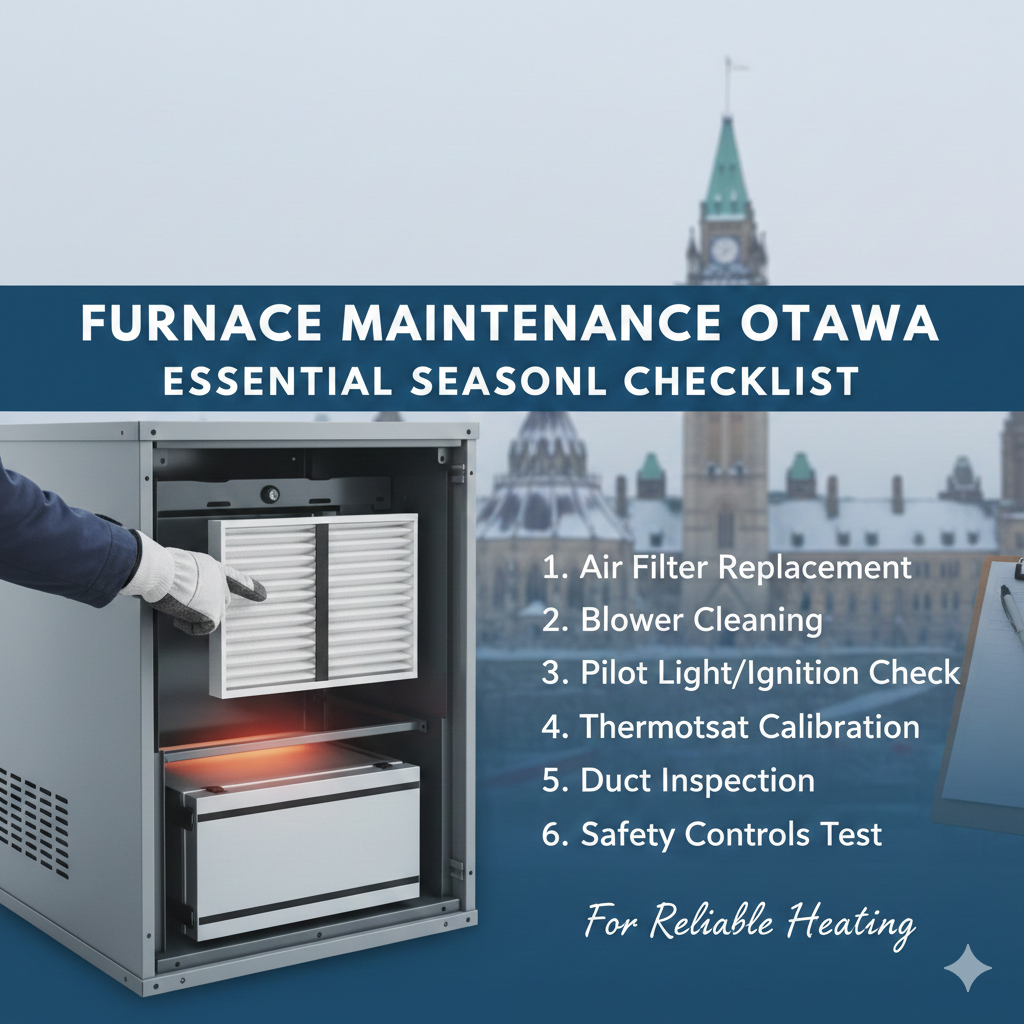
Ottawa’s climate puts unique demands on your home comfort systems, and you need practical, local solutions that balance efficiency, reliability, and cost. You can keep your home comfortable year-round by choosing the right heating or cooling system, scheduling regular maintenance, and working with qualified local professionals who understand Ottawa’s cold winters and humid summers.
This article Heating and Cooling Ottawa walks through comprehensive HVAC options suited to Ottawa homes and explains simple seasonal upkeep that prevents breakdowns and cuts energy bills. Expect clear guidance on system choices, installation considerations, and maintenance steps that help you protect comfort and control costs.
Comprehensive HVAC Solutions
You’ll find targeted options for efficient heating, modern cooling, tailored installations, and smart control systems that fit Ottawa’s climate and your home’s layout. Each choice focuses on performance, energy use, and long-term reliability.
Energy-Efficient Heating Systems
Choose a heat pump or high-efficiency furnace sized to your home’s square footage and insulation level to cut fuel use and reduce bills. In Ottawa, ground-source and cold-climate air-source heat pumps perform well; they deliver high COPs (coefficients of performance) even when temperatures drop below freezing.
Look for systems with ENERGY STAR certification and variable-speed compressors or modulating burners. These features match output to demand, reduce short cycling, and maintain steady indoor temperatures. Ask for Manual J load calculations so your installer can recommend the right capacity; oversized units waste energy, undersized units struggle on the coldest days.
Consider hybrid systems that pair a heat pump with a gas furnace for backup. They switch to the most efficient heat source as outside temperature changes. Also plan for regular tune-ups, filter changes, and duct sealing to preserve rated efficiency and prevent performance declines.
Modern Cooling Technologies
Select a high-SEER air conditioner or a variable-refrigerant-flow (VRF) mini‑split to maximize summer comfort without excessive energy use. SEER ratings of 16+ and inverter-driven compressors give better part-load efficiency, which matters most in typical Ottawa summers.
Mini‑splits provide zoned cooling and avoid duct losses; they work well for additions, older homes without ducts, or rooms that need independent temperature control. Central systems with well-sealed, insulated ducts remain efficient for whole-house cooling in larger homes.
Focus on refrigerant type (R‑410A and newer low-GWP options), proper refrigerant charge, and airflow balance. Ask installers to verify airflow in each room and to program thermostats for setback schedules. Regular coil cleaning and condenser clearance ensure the system keeps its rated performance through the cooling season.
Customized Installations
Base every installation on a professional assessment of your home’s heat loss/gain, duct layout, and electrical capacity. You should request a Manual J load calculation, Manual D duct design, and a written equipment proposal that lists capacities, efficiencies, and expected seasonal energy use.
Match equipment to the space: variable-speed furnaces and multi‑stage heat pumps for open-plan houses, compact ductless units for retrofits, and packaged systems for small multiuse buildings. Consider noise limits for bedroom walls and outdoor condenser placement to meet municipal bylaws and keep neighbors comfortable.
Get clear warranties and a service plan that covers parts and labor for critical components. Verify technician certifications and ask for references or case studies from similar Ottawa homes. Documented commissioning and start-up reports prevent issues and confirm the system operates to specifications.
Smart Home Climate Control
Install programmable or smart thermostats that integrate with your HVAC and can be controlled remotely from a phone or voice assistant. Look for features like geofencing, learning schedules, and multi‑stage equipment compatibility to capture real energy savings.
Use zoning controls and motorized dampers to direct conditioned air to occupied areas and avoid heating or cooling unused rooms. Combine occupancy sensors and temperature sensors in different zones for more precise control and to prevent over-conditioning.
Ensure your smart devices support secure network connections and local control options if privacy or reliability matters. Ask about integration with energy-monitoring tools so you can track monthly energy use and spot unusual consumption patterns that indicate maintenance needs.
Maintenance and Seasonal Preparedness
Keep your heating and cooling systems reliable by scheduling inspections, doing simple seasonal tasks, and addressing Ottawa-specific cold weather risks like freezing condensate lines and blocked vents. Small, timely actions cut energy use, extend equipment life, and reduce emergency repair needs.
Regular System Inspections
Have a qualified technician inspect your furnace and air conditioner at least twice a year—spring for cooling and autumn for heating. Inspections should include combustion safety checks, heat exchanger inspection, burner and ignition testing, motor and belt condition, refrigerant level and leak check, and airflow measurements.
Record these items during each visit:
- Filter type and replacement date
- Thermostat calibration
- Ductwork leaks or disconnected joints
- Flame color and carbon monoxide test results
You should also visually inspect outdoor units monthly. Clear debris, check for ice buildup in winter, and ensure condenser fins are straight. Keep a log of service dates and any parts replaced; that makes warranty claims and future diagnoses faster.
Preventative Maintenance Tips
Change or clean filters every 1–3 months depending on type and household conditions. Use MERV 8–11 filters for a balance of airflow and filtration in most homes; use higher MERV only if your system’s blower can handle it.
Keep vents and returns unobstructed; furniture and curtains reduce airflow and force the system to work harder. Insulate accessible duct runs in unheated spaces to prevent heat loss, and seal visible joints with mastic or metal tape.
Schedule annual preventive tasks:
- Clean heat exchanger and burners
- Flush and test condensate drain and trap
- Lubricate motors and inspect belts
- Check and recharge refrigerant if pressures are low
Consider a maintenance plan that includes priority service and safety checks. It often reduces emergency calls and can include carbon monoxide detectors and thermostat upgrades.
Common Cold Weather Concerns
Protect condensate and refrigerant lines from freezing by insulating exposed pipes and installing heat tape where needed. Frozen condensate drains or lines commonly cause system shutdowns and water damage.
Watch for ice on outdoor condensers and clear 30–60 cm of snow and ice around units. Ensure intake and exhaust vents for furnaces and HRVs are free of snow drift and blockages to prevent carbon monoxide buildup and pressure issues.
Test your carbon monoxide alarms after any system service and replace batteries seasonally. If you smell fuel, notice yellow burner flames, or detect persistent soot, shut off the system and call a licensed technician immediately.