admin
admin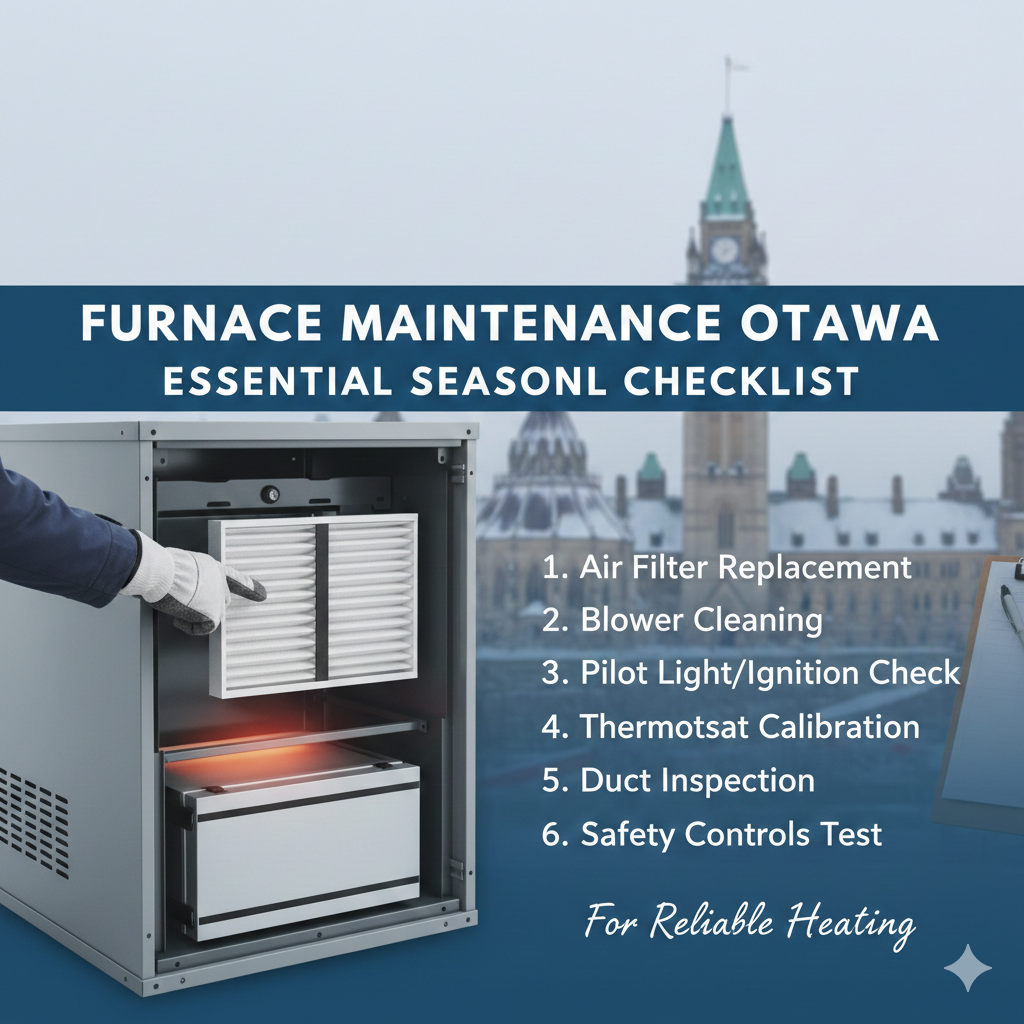
When your furnace falters in Langley, you need fast, reliable solutions that restore heat safely and efficiently. A qualified local technician can diagnose common problems—like ignition failures, airflow issues, and worn components—and get your furnace running again the same day in many cases. Furnace Repair in Langley You’ll learn what issues signal a simple fix versus those that require professional service so you can act with confidence.
This post Furnace Repair Langley walks through typical heating faults, how technicians pinpoint the root cause, and what professional repairs involve to keep your home safe and warm. Follow along to know when to schedule service, what to expect from repairs, and how to avoid repeat breakdowns.
Common Heating Issues and Expert Diagnosis
You’ll learn which symptoms mean immediate repair, the typical causes behind those symptoms, and the precise inspection steps technicians use to find faults. The guidance focuses on actionable signs, likely failures, and diagnostic methods you can expect during a service visit.
Recognizing Warning Signs
Watch for reduced or uneven heat across rooms, which often shows as weak airflow from vents or thermostats reading lower than set. Loud banging, rattling, or continuous clicking during startup indicates mechanical wear, loose components, or ignition problems that need prompt attention.
Pay attention to increased energy bills without a change in use; that often signals reduced efficiency from a dirty filter, clogged blower, or a failing heat exchanger. Smells of rotten eggs, persistent furnace cycling, or yellow pilot flames are safety red flags—shut the system off and call a certified technician immediately.
Keep a simple checklist: unusual noises, uneven temperatures, visible soot or corrosion, abnormal odors, and frequent short-cycling. Note when symptoms started and any recent changes to your home — that information speeds diagnosis.
Causes of System Malfunctions
Dirty air filters and blocked return vents restrict airflow, causing the furnace to overwork and produce inconsistent warmth. Corrosion and soot buildup on burners or the heat exchanger reduce heat transfer and can create unsafe conditions that require part cleaning or replacement.
Ignition failures and faulty gas valves are common in older systems and lead to no-heat situations or repeated ignition attempts. Electrical issues, such as failing capacitors, worn motors, or loose wiring, cause blower failures and noisy operation. Thermostat miscalibration or failed sensors produce incorrect temperature regulation and frequent cycling.
Condensate drain blockages in high-efficiency furnaces cause pressure switch trips and shutdowns. Duct leaks and poor insulation amplify perceived furnace problems by allowing conditioned air to escape, increasing runtime and wear.
Inspection Methods
Technicians start with a visual and operational check: inspect burners, pilot or ignition system, heat exchanger, and venting for cracks, corrosion, or soot. They verify thermostat calibration and run the system through a full cycle to observe ignition, blower engagement, and cycling behavior.
Standard diagnostic steps include measuring gas pressure, checking voltage at the motor and control board, and recording static pressure and airflow across the blower. Technicians also test safety controls—limit switches, pressure switches, and flame rollout sensors—to ensure reliable shutdown if a hazard appears.
For persistent or unclear faults, professionals use combustion analyzers to check CO and combustion efficiency and infrared or borescope cameras to inspect internal components without full disassembly. They provide a prioritized repair plan based on risk, cost, and remaining component life.
Professional Services and Safe Repairs
You get reliable, code-compliant work from certified technicians who follow safety checklists and use OEM parts when possible. The next subsections explain who performs the work, how repairs are done to protect your home, and when replacement is a better investment.
Licensed Technicians and Certifications
You should hire technicians with visible licensing and industry credentials. Look for Red Seal certification, gas-fitters (where applicable), and trade association memberships; these indicate formal training and provincially recognized competencies. Ask for proof of insurance and WCB coverage before work begins to protect yourself from liability for workplace injuries or accidental damage.
Technicians should also present manufacturer training records for your furnace brand. That ensures they understand model-specific controls, ignition systems, heat exchangers, and control boards. Verify that the technician can provide a written estimate, parts warranty, and service record for your home file.
Repair Process and Safety Standards
Expect a structured process starting with a safety inspection and diagnostic testing. Technicians should check combustion, venting, gas pressure (for gas units), electrical connections, limit switches, and the heat exchanger for cracks or corrosion. You should receive a prioritized list of findings: immediate hazards, recommended repairs, and routine maintenance tasks.
Work must follow local codes and manufacturer torque/spec requirements. Technicians should use calibrated tools and document pre- and post-repair measurements. If they perform combustion tuning or CO testing, ask for the recorded CO ppm values and a copy of safety checklist items completed. Clean workspace and proper disposal of old parts also matter for your safety and property.
Replacement Versus Repairs
You should weigh repair cost, furnace age, and efficiency before deciding. Use these practical thresholds: if the furnace is under 10 years and repair is less than 25% of a comparable replacement cost, repair often makes sense. For units older than 15 years, recurring breakdowns, or a cracked heat exchanger, replacement usually offers better long-term safety and efficiency.
Consider upfront cost, expected fuel savings from a higher AFUE model, and potential rebates for high-efficiency installations. Request a written life-expectancy estimate and a simple cost comparison: repair cost now, projected future repair costs over 5 years, and replacement cost with estimated annual energy savings. This gives you concrete numbers to make the decision.