admin
admin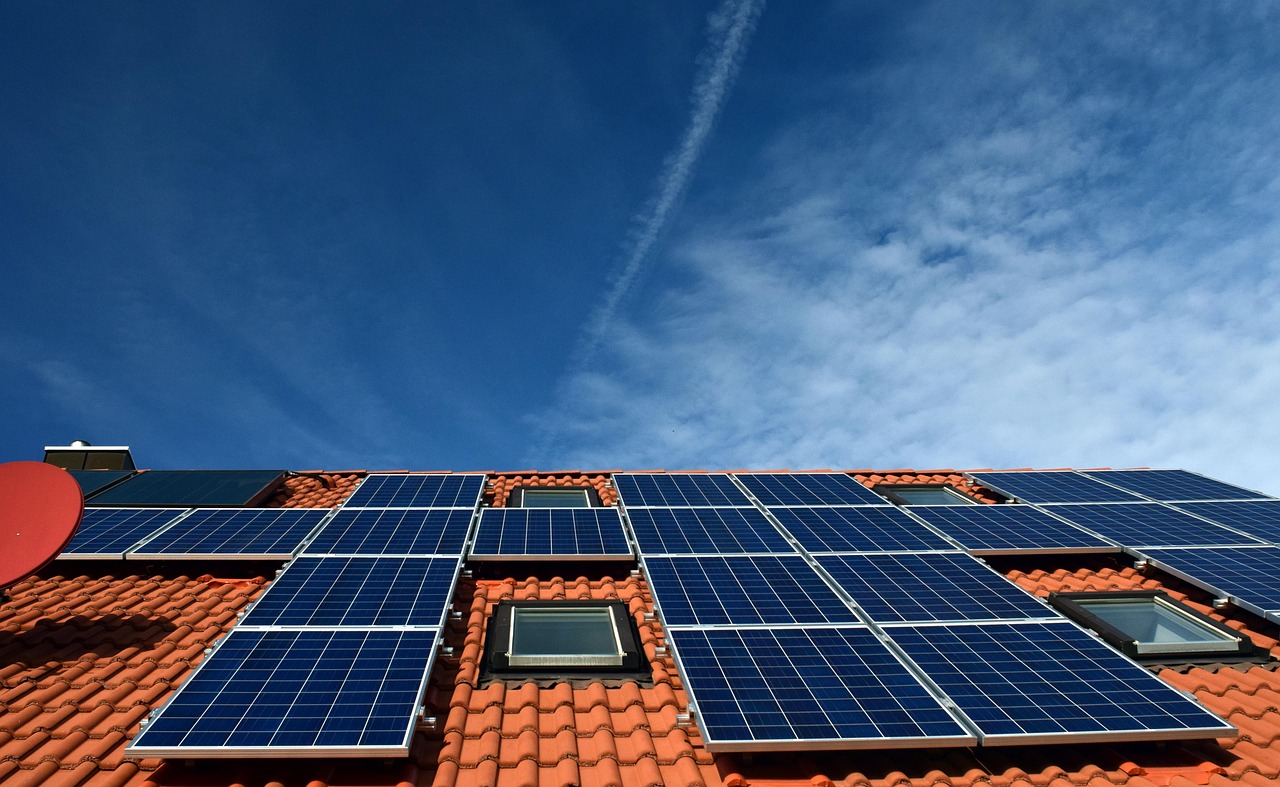
You can turn parts of your building—roofs, facades, even windows—into functioning solar generators without adding bulky panels. BIPV solar modules replace conventional building materials so your structure produces electricity while keeping a clean, integrated appearance.
Expect to learn how designers fit photovoltaic elements into building components, what performance and cost trade-offs to weigh, and why adoption is growing in commercial and high-profile projects. This article will guide your choices on aesthetics, efficiency, and market realities so you can judge whether BIPV suits your next project.
Design and Integration of Photovoltaic Building Components
This section Bipv Solar explains how photovoltaic elements replace or complement building envelope materials, which affects aesthetics, structural loads, electrical routing, and thermal performance. It highlights practical module choices, critical design constraints, and common installation approaches you will encounter on projects.
Architectural Applications
You integrate PV into roofs, façades, canopies, and glazing to serve as weatherproofing, shading, or transparent envelope elements.
On sloped roofs, BIPV tiles or thin-film laminates replace conventional shingles; they must match roof pitch, underlayment requirements, and fire ratings.
Curtain walls and spandrel glass use semi-transparent glass-glass modules to preserve views while generating power; consider U-value, visible transmittance, and solar heat gain coefficient.
For façades, ventilated rainscreen panels with back-ventilated PV reduce thermal loads and ease maintenance.
Canopies and pergolas commonly use framed crystalline modules for high output and straightforward mounting.
In each application, coordinate with structural, waterproofing, and fire-safety teams to confirm attachment points, deflection limits, and egress routes.
Types of Module Technologies
Crystalline silicon (monocrystalline and multicrystalline) offers the highest efficiencies and predictable degradation rates; you should choose it when roof or façade area is limited.
Thin-film (CIGS, CdTe, a-Si) provides greater flexibility and uniform appearance; pick thin-film when curved surfaces or low-light performance matter.
Glass-glass modules combine laminated glass with embedded cells for façades and skylights; they improve durability and fire resistance but add weight.
Bifacial modules capture reflected albedo from façades and surrounding surfaces; use them where you can control or increase ground reflectance.
Building-applied PV (BAPV) retrofits use framed panels mounted to existing substrates; they are the fastest to deploy but do not replace envelope functions.
Match technology to priority: efficiency per area, transparency, weight, fire classification, and aesthetic finish.
Design Considerations
Start with a site-specific irradiance analysis and a building energy model to size PV area against your thermal and electrical loads.
Factor orientation, tilt, shading from adjacent buildings, and seasonal sun paths; small facade offsets can reduce annual yield dramatically.
Structural checks must verify dead load, wind uplift, and concentrated loads at anchors.
Thermal bridging and condensation risk need detailing at module edges and transitions; specify vapor control layers and drainage paths.
Electrical design must include string layout, maximum system voltage, inverter location, and access for maintenance.
Comply with local codes for fire separation, access pathways, and module classification (e.g., BROOF(t1) or equivalent).
Plan for roof and facade replacement cycles—make PV modules replaceable without major demolition.
Installation Methods
Direct-replace systems integrate PV as primary cladding and require watertight membrane interfaces and certified flashing details.
Mechanically fastened systems use rails, clamps, or bespoke profiles anchored back to the structure; ensure fastener spacing meets wind-load calculations.
Adhesive and lamination methods work for lightweight substrates and curved surfaces but need testing for long-term creep and UV stability.
Curtain-wall-integrated modules typically bolt into mullion systems and require coordination with storefront fabricators.
For electrical and safety, install rapid-shutdown devices, accessible combiner boxes, and clearly labeled disconnects at locations mandated by code.
Specify commissioning tests: I-V curve measurement, insulation resistance, and visual inspection of seals and flashings before handover.
Performance, Benefits, and Market Adoption
BIPV modules deliver electricity while serving as building elements, influence construction costs and aesthetics, and face specific technical and market barriers that affect uptake.
Energy Efficiency and Output
You can expect BIPV to produce 6–12% more usable energy than comparable rack-mounted panels in optimal installations because integrated systems often have better thermal management and reduced soiling. Temperature control matters: when modules replace roof or façade materials, the building’s thermal mass and ventilation can lower operating temperatures and improve conversion efficiency.
Module efficiency varies by cell type (monocrystalline, thin‑film, heterojunction), and placement affects yield. South- or west-facing façades generate more afternoon energy but less yearly total than tilted roofs. Plan for shading from adjacent buildings, wiring losses, and building code constraints that can reduce expected output by 5–20% versus nameplate capacity.
Aesthetic and Environmental Advantages
You gain architectural flexibility with flush façades, colored glazing, and custom shapes that replace cladding or roofing materials. That substitution can lower material and mounting costs because BIPV serves dual functions: weatherproofing plus power generation.
Environmental benefits include on-site generation that cuts transmission losses and reduces operational carbon for energy-intensive commercial buildings. BIPV also supports green building certifications and can improve thermal insulation and acoustic performance when designed to relevant standards.
Challenges and Limitations
You must budget for higher upfront costs per watt than conventional PV, driven by custom fabrication, integration with building envelopes, and compliance with both electrical and construction standards. Installation timelines can extend because trades (architects, structural engineers, electricians, glaziers) must coordinate.
Performance trade-offs include reduced module tilt on façades, potential overheating in sealed assemblies, and complex maintenance access. Regulatory and market barriers persist: BIPV remains a niche in many regions due to limited installer expertise, variable incentive structures, and uneven product certification, which can complicate financing and long‑term ROI estimates.